Insights
5 Essential Rules for Choosing Perfect Nightstand Dimensions

The Ultimate Nightstand Dimensions Guide: Height and Clearance
Table of Contents
- Understanding Ideal Nightstand Proportions
- 1. Determining Ideal Nightstand Height
- 2. Selecting the Right Width and Scale
- 3. Managing Depth and Wall Clearance
- 4. Choosing Storage Options for Functionality
- 5. Balancing Proportions with Lamps and Decor
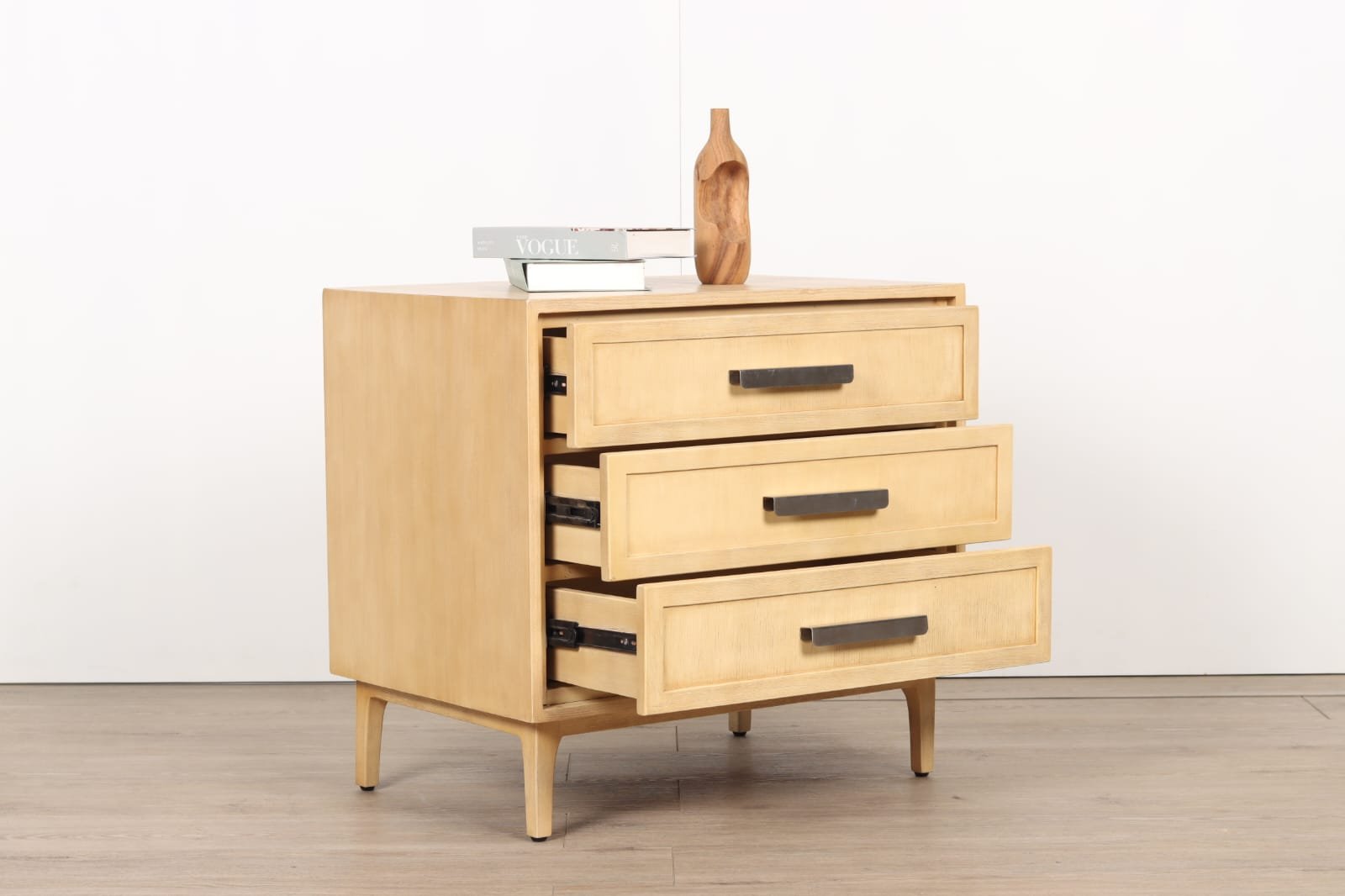
Selecting the ideal Nightstand for your master bedroom involves far more than simply matching wood finishes or aesthetic styles. Proper sizing ensures seamless daily functionality, ergonomic comfort, and visual balance alongside your bed frame.
An oversized or improperly proportioned bedside table can make a spacious master bedroom feel cramped and disorganized. Conversely, an undersized table next to a thick king-size mattress creates awkward proportions and limits accessible tabletop storage.
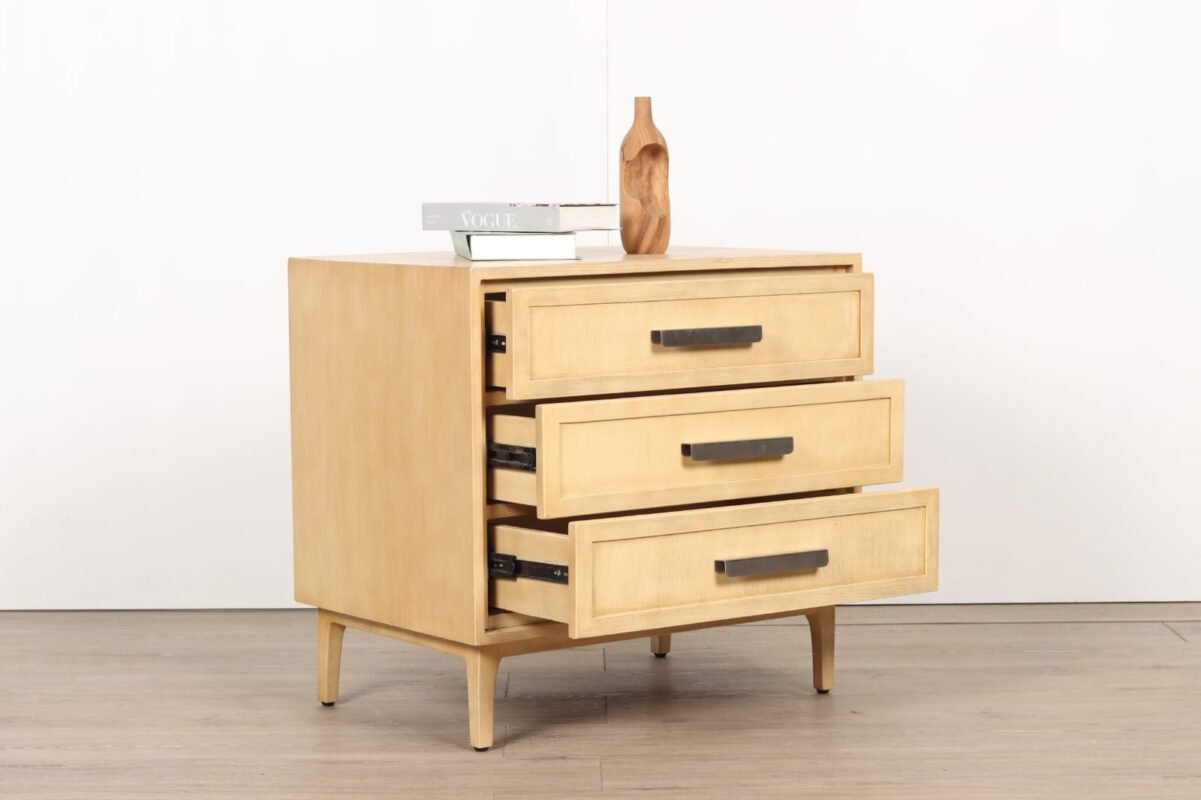
Understanding Ideal Nightstand Proportions
Before purchasing a new Nightstand, measuring mattress height relative to surrounding floor clearance is an essential first step. Maintaining proper spatial harmony prevents unnecessary stretching or awkward reaching during bedtime hours.
Standard bedroom furniture dimensions vary significantly across manufacturers, particularly when comparing low-profile platform beds with traditional pillow-top mattresses. For historical background on domestic furniture evolution, consult this trusted external resource.
1. Determining Ideal Nightstand Height
The golden rule for choosing a Nightstand is aligning its top surface level with or slightly above the top of your mattress. Average mattress heights range from 24 to 30 inches from the floor, making corresponding table heights equally vital.
- Level Alignment: A table level with mattress height offers optimal ergonomic access for drinking glasses and phones.
- Higher Profiles: A table 1 to 2 inches higher than mattress level prevents items from easily spilling onto sheets.
- Avoid Low Tables: Selecting a table more than 3 inches below mattress height causes uncomfortable reaching and back strain.
Ensuring your Nightstand aligns naturally with your sleeping surface creates a streamlined aesthetic across the entire headboard wall.
2. Selecting the Right Width and Scale
Proper width depends heavily on mattress size and available wall area. A compact queen bed pairs well with slender tables measuring 18 to 22 inches wide, whereas a regal king mattress accommodates substantial units spanning 28 to 36 inches across.
Choosing a wide Nightstand for a grand bed frame anchors the room visually and provides ample surface area for reading lamps and personal decor items without crowding.
3. Managing Depth and Wall Clearance
Table depth requires careful consideration so it does not block room walkways or impede bed entry. Standard table depth typically measures between 16 and 20 inches from front edge to back wall.
Avoid any Nightstand deeper than 24 inches, as excessive depth makes getting in and out of bed awkward and visually overwhelms side passages.
4. Choosing Storage Options for Functionality
Evaluating personal bedtime habits dictates whether open shelves, single drawers, or multi-drawer cabinets best serve your nightly routine. Solid wood construction offers superior durability for housing heavier books and electronics cables discreetly.
Discovering handcrafted teak furniture options directly from the official ARDENA FURNITURE catalog allows you to customize bedside storage configurations seamlessly.
5. Balancing Proportions with Lamps and Decor
Maintaining proper scale extends directly to tabletop accessories. A tall, wide Nightstand easily anchors larger ceramic table lamps, whereas slim modern tables require slender brass fixtures to maintain visual balance.
Leave at least one-third of your tabletop open to avoid cluttered surfaces and ensure effortless access to nighttime essentials.
Investing in a well-proportioned Nightstand crafted from sustainable solid wood guarantees durable beauty, organized comfort, and timeless bedroom elegance for years to come.